
How to Choose the Right Belt Width, Color, and Style for Different Trousers
Buying a leather belt seems straightforward until you start comparing the options. Two belts may have the same color and similar materials, yet one looks perfectly suited to a pair of tailored trousers while the other appears awkward against the waistband. Sometimes the difference is only a quarter inch in width. In other cases, the problem is the buckle, the leather finish, or how the strap sits against the fabric.
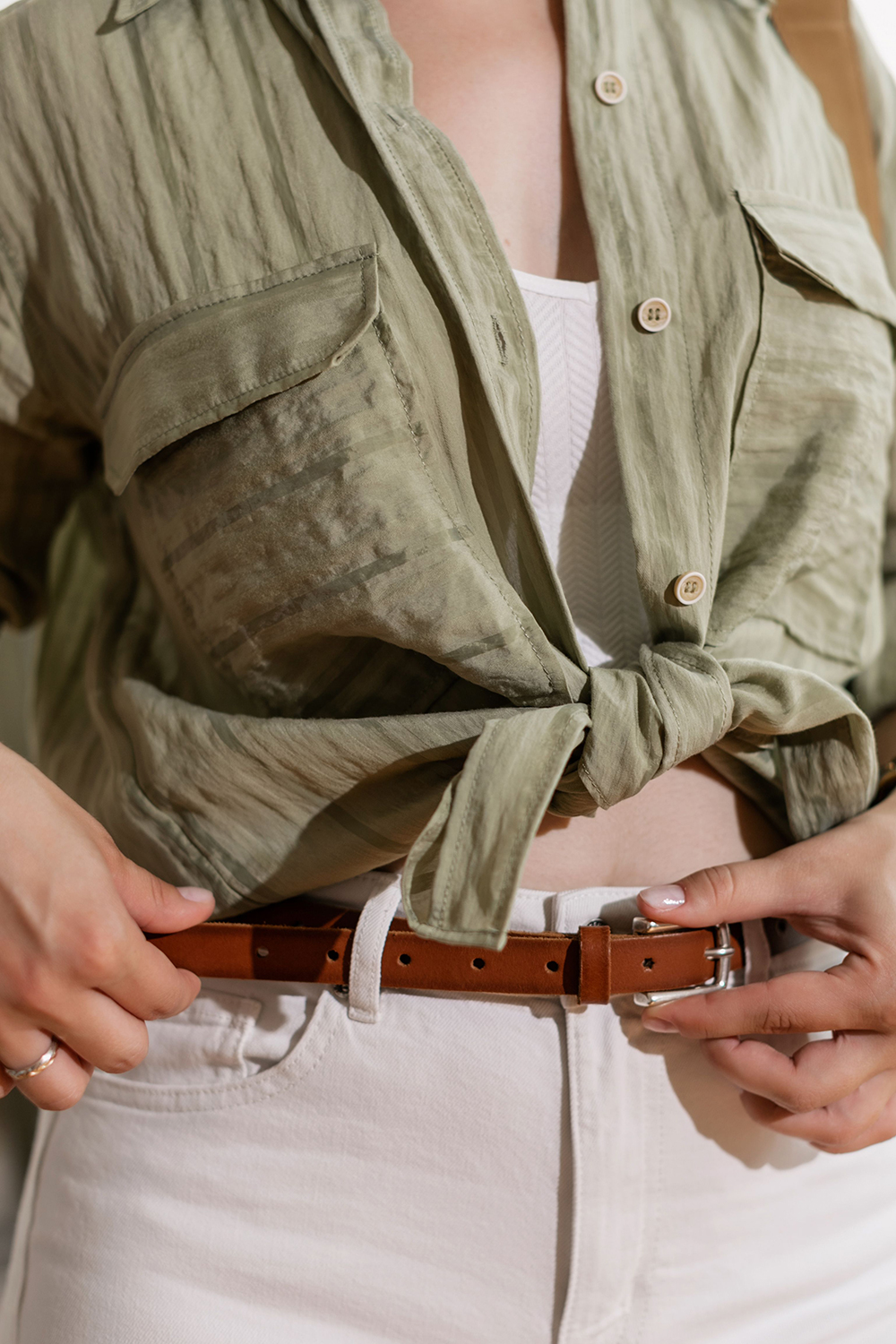
Photo: pexels.com
These details become especially important when buying trousers with a particular fit or investing in quality tailoring. A belt can change the appearance of the waistline, influence how comfortably the trousers sit, and affect the visual balance of an outfit. Choosing the wrong style can also create practical problems, from leather that barely fits through the loops to bulky hardware that presses against the body when sitting.
There is no single belt width, color, or design that works equally well with every pair of trousers. However, the decision becomes much easier when buyers understand what to examine and how different features work together.
This guide takes a closer look at the details that matter when selecting a leather belt, including waistband construction, proportions, materials, fastening styles, and common purchasing mistakes. The aim is to help buyers make informed choices based on the trousers they own and the clothing they intend to purchase.
The First Decision Is Whether the Trousers Need a Belt
Before comparing leather straps, examine how the trousers are designed to stay in place. Most casual and many tailored trousers have conventional belt loops, but belts are not the only fastening option available.
Some dress trousers feature side adjusters, which allow the wearer to make minor changes to the waistband without adding a separate accessory. Others are designed for suspenders, which support the trousers from the shoulders rather than relying on tension around the waist.
These alternatives are particularly relevant to traditional tailoring, where the appearance of the waistband is an intentional part of the garment's design.
A belt introduces a visible line across the waist. That can be attractive when the accessory complements the clothing, but it is not always desirable. Side adjusters allow the fabric to remain relatively uninterrupted, while suspenders can be useful for trousers designed to hang from a higher position on the body.
The choice often comes down to personal preference and intended use. Menswear writer Simon Crompton discusses these distinctions in Permanent Style's guide to trouser details, noting that side adjusters generally create a cleaner appearance while belts provide an additional opportunity for personal styling.
For buyers, the practical implication is straightforward. If the trousers have belt loops, a suitable leather belt can provide useful adjustment and contribute to the outfit's appearance. If they have side adjusters or are designed specifically for suspenders, adding a belt is usually unnecessary.
It is also worth considering whether a belt is actually needed for support. Properly fitted trousers should sit comfortably without requiring excessive tightening. When a waistband is significantly too loose, a belt may hold the trousers in position, but it can also create unwanted folds in the fabric.
This is particularly noticeable with tailored trousers, where the waistband and upper leg are designed to maintain a specific shape. If the trousers need substantial adjustment to fit, altering the waist may produce a better result than purchasing a thicker or tighter belt.
Understanding Waistband Construction Before Buying
The waistband offers some of the most useful clues about which belt will work best with a pair of trousers. Its height, structure, belt loops, and front fastening arrangement all influence how the accessory sits against the garment.
Start with the loops. Check their usable opening rather than assuming they will accommodate any standard belt. A strap that is too wide may rub against the stitching or become difficult to thread through. A very thick leather belt can also feel crowded inside narrow loops, even when the stated width appears suitable.
The location of the loops matters as well. On some trousers, they sit close to the upper edge of the waistband. On others, they are positioned slightly lower, changing where the belt rests and how much of the waistband remains visible.
Buyers rarely need to study these details individually, but they should pay attention to the finished result. The belt should sit evenly without pulling the loops out of position or creating obvious distortion in the fabric.
What About Extended Waistbands?
An extended waistband has a front tab that continues beyond the main trouser closure. Depending on the design, it may fasten with a button, hook, or other concealed hardware.
This detail is common in certain styles of tailored trousers because it can create a neat appearance across the front.
An extended waistband does not automatically mean the trousers should be worn without a belt. Some designs include conventional loops and accommodate leather accessories perfectly well. However, the belt buckle should not interfere with the extended closure or create excessive bulk over the fastening area.
When trying on trousers with this feature, fasten them completely before adding a belt. Check whether the buckle rests naturally against the waistband and whether the front fabric remains smooth.
If the buckle forces the extended tab to fold or makes the waistband feel unusually thick, a smaller buckle or different belt construction may work better.
For buyers commissioning made to measure trousers, these details can be discussed before the garment is produced. Someone who prefers wearing belts can ask for appropriate loops and a front closure that accommodates the chosen accessory.
How Belt Width Interacts With Trouser Proportions
Belt width is one of the most important specifications to check because it influences both physical compatibility and visual balance.
A narrow belt usually creates a restrained appearance. A wider strap becomes more prominent and may suit trousers with substantial fabric, visible stitching, or a pronounced waistband.
In classic menswear, approximately 1.25 inches is a common dress belt width, while 1.5 inches is frequently used for casual leather belts. These measurements are helpful reference points, but they should not be treated as requirements for every garment.
A well chosen belt needs to satisfy two conditions. It must fit comfortably through the loops, and its proportions should look appropriate against the waistband.
The first condition is relatively easy to establish through measurement. The second requires looking at how the belt sits against the trousers.
A narrow strap can look balanced when the waistband is understated and the buckle is compact. The same strap may appear unusually small against trousers with broad belt loops and substantial construction. Conversely, a wide strap may overwhelm a refined waistband even when it technically fits.
Buckle proportions further influence this relationship. A 1.25 inch belt with a large decorative buckle may have greater visual impact than a 1.5 inch belt with modest hardware.
Buyers should therefore consider the complete accessory rather than comparing strap widths alone.
How to Measure the Correct Belt Width
When purchasing a belt for existing trousers, begin by measuring the usable opening of the smallest belt loop. This establishes the maximum width that can pass through comfortably.
The strap should have enough clearance to move through the loops without forcing the material or pulling against the stitching. Allowance for leather thickness is also important, particularly with substantial straps.
If you are shopping online, compare the measurements with the manufacturer's specifications. Product photographs can make belts appear wider or narrower than they actually are, especially when no reference dimensions are shown.
It is also helpful to measure a belt that already works well with the trousers. That provides a practical reference for comparing new options and reduces the risk of choosing a width based solely on appearance.
A belt does not have to fill the entire loop opening. Some clearance is normal and can make fastening and adjustment easier. The goal is a secure, balanced fit rather than the widest strap the loops can possibly accommodate.
Trouser Rise and the Position of the Waistline
Trouser rise influences where the waistband sits on the body, which changes the position of the belt and how noticeable it becomes.
Higher rise trousers generally sit closer to the natural waist. Lower rise styles sit nearer the hips, while medium rise trousers occupy a position between the two. The exact placement depends on the garment's construction and the wearer's proportions.
This distinction matters because a belt creates a visible horizontal division between the upper and lower body.
When trousers sit higher, the belt may be positioned near the narrowest part of the torso. Depending on the jacket and shirt, this can make the waistline a more prominent feature of the outfit.
A restrained leather strap can preserve the clean appearance of high rise tailoring, while a wider or highly contrasting belt creates a stronger visual interruption.
Neither effect is inherently incorrect. The appropriate choice depends on whether the wearer wants the belt to remain understated or become a deliberate part of the outfit.
Lower rise trousers introduce different considerations. Because the waistband sits closer to the hips, the buckle may press against the lower abdomen when seated. Large or thick hardware can become uncomfortable, particularly if the trousers fit closely.
This makes buckle dimensions worth checking during a fitting.
A belt should also be evaluated with the trousers sitting at their intended height. Pulling trousers higher or lower to accommodate a particular accessory can affect how they fit through the seat, crotch, and upper leg.
For buyers, the most reliable test is to wear the trousers naturally, fasten the belt, and assess both appearance and comfort while standing and sitting.
Why Pleats Change the Way a Belt Should Be Worn
Pleated trousers are designed with folds of fabric near the waistband that create additional room through the upper portion of the garment. Depending on the cut, those pleats can contribute to comfort and influence how the trousers drape.
A belt can work perfectly well with pleated trousers, provided the waistband fits correctly.
Problems arise when the belt is used to pull an excessively loose waist inward. The fabric may gather around the loops, disturbing the pleats and changing the way the trousers fall.
This can make an otherwise well constructed garment appear poorly fitted.
The solution is not necessarily a different belt. If the waistband requires substantial tightening, the trousers may need alteration.
For pleated trousers that fit properly, a relatively restrained belt is often a sensible choice. The front of the garment already contains visible shaping, and an oversized buckle may create unnecessary visual competition.
However, there is no requirement that pleated trousers must be worn with narrow belts. The fabric, waistband dimensions, and overall design still matter.
A pair of relaxed cotton trousers with substantial pleats may accommodate a different accessory from refined wool trousers with a more formal construction.
What Changes With Flat Front Trousers?
Flat front trousers have a relatively uninterrupted front because they do not contain pleats extending from the waistband.
This can make the belt and buckle more noticeable, particularly when a shirt is tucked in.
A clean waistband often benefits from accessories with similarly restrained proportions, but the exact choice depends on the trousers' fabric and intended appearance.
For example, a substantial belt may still look appropriate with casual flat front trousers that have sturdy fabric and broad loops. A narrower design may work better when the waistband is more refined.
The important distinction is that pleated and flat front trousers distribute visual detail differently. Buyers should look at the entire waist area rather than assuming the same accessory will produce the same effect on both constructions.
Choosing Belt Color Within a Tailored Outfit
Once the correct width and proportions have been established, color becomes the next consideration.
In traditional menswear, belt color is often coordinated with leather footwear. This remains a useful convention, particularly for business and formal clothing, but it should not be interpreted as a requirement for an exact color match.
Leather varies naturally in tone and finish, and two accessories can work together without being identical.
The most important consideration is whether their appearance feels consistent with the level of formality established by the clothing.
For a tailored outfit with polished shoes, a belt in a similar color family and a relatively refined finish will often look appropriate. For relaxed tailoring, some variation in tone or texture may be more acceptable.
The relationship between the belt and the trousers also matters because contrast affects how noticeable the waistline becomes.
A belt that is relatively close in tone to the trousers tends to create a quieter visual division. A strongly contrasting belt draws greater attention to the waist and can influence the perceived proportions of the outfit.
Neither approach is inherently superior. The decision depends on the intended appearance and how the belt interacts with the other garments.
How to Choose Between Two Leather Colors
If two belt colors both appear suitable, compare them with the clothing rather than examining them individually.
Start with the footwear most likely to be worn with the trousers. Then consider the jacket, shirt, and other visible accessories. Look for a color that connects naturally with the overall arrangement without creating an unwanted focal point.
For a formal outfit, consistency usually matters more than contrast. A simple belt that supports the appearance of the clothing is often preferable to one that attracts attention independently.
For relaxed tailored combinations, a belt can provide a modest amount of visual interest. A slightly warmer leather tone or a less polished finish may suit textured fabrics and casual footwear.
Be cautious about relying entirely on online product photographs when selecting specific shades. Lighting, photography, and screen settings can influence how leather colors appear.
When color accuracy is important, manufacturer descriptions, additional photographs, or physical inspection can help reduce uncertainty.
How Fabric Weight Influences Belt Style
Fabric plays a significant part in determining which leather belt looks appropriate because it establishes the visual character of the trousers.
Fine worsted wool typically has a relatively smooth surface and controlled drape. A refined leather belt with a compact buckle can complement those characteristics without adding unnecessary bulk.
Heavier wool fabrics, such as certain flannels and tweeds, have greater texture and visual substance. These materials may work with leather that has a softer finish or more visible grain, particularly when the trousers are part of a relaxed tailored outfit.
Linen presents another consideration. Its texture and natural creasing often create a less formal appearance, but linen trousers can still have delicate waistbands and relatively narrow loops. A rugged belt may therefore look excessive even though the fabric itself is casual.
Cotton trousers offer considerable variation. Fine cotton twill can be used for refined tailoring, while heavier cotton fabrics may have sturdy seams and substantial waistbands.
The fabric name alone is not enough to establish the correct belt.
Instead, examine how the material has been used. A finely tailored cotton trouser may benefit from a restrained accessory, while a heavier garment with utilitarian construction can accommodate greater visual weight.
This is especially useful when purchasing trousers online. Product categories such as casual, tailored, or relaxed do not always communicate how substantial the fabric or waistband will feel in person.
When possible, review fabric descriptions and garment photographs that show the waistband, seams, and belt loops. These details provide better guidance than relying solely on the trouser category.
Choosing a Leather Belt for a Tailoring Focused Wardrobe
For buyers who wear different types of trousers throughout the week, the challenge is finding belts that remain useful without compromising fit or appearance.
A good starting point is to identify which trouser constructions appear most frequently in the wardrobe. Someone who regularly wears refined tailoring may benefit from a relatively narrow dress belt with restrained hardware. A person whose clothing includes more substantial cotton trousers may prefer a moderately wider design.
The decision should also consider how visible the belt will be. Tucked shirts, open jackets, and clothing with a clearly defined waistline make belt proportions especially noticeable.
There is no need to purchase an extensive collection immediately. A carefully selected belt that suits several regularly worn garments can be a practical first choice.
For buyers comparing the best leather belts for everyday wear, Hanks Belts offers a useful range of widths and styles. Its Esquire Raised model has a 1.25 inch profile suited to dressier clothing, while the Everyday uses a more substantial 1.5 inch full grain leather strap. These options illustrate how buyers can choose according to the proportions and construction of their trousers while still prioritizing quality materials.
Once a suitable style has been identified, check the belt's actual measurements, fastening system, and sizing instructions.
Leather thickness deserves attention because it can affect how the strap sits against the waistband. A substantial belt may feel bulky when paired with lightweight tailored trousers, even when its width is technically compatible.
The buckle should also be appropriately proportioned and comfortable during ordinary movement. If the belt will be worn frequently, consider whether the hardware is securely attached and whether replacement components are available.
A useful purchasing decision brings these details together rather than emphasizing one attractive feature at the expense of the overall fit.
What to Discuss With a Tailor Before Commissioning Trousers
Made to measure clothing provides an opportunity to decide how trousers will be supported before construction begins.
This can be valuable for buyers who already own belts they enjoy wearing or who have clear preferences about waistband appearance.
A tailor can help determine whether conventional belt loops, side adjusters, or suspender buttons are appropriate for the intended garment.
If the client prefers belts, the loop dimensions and placement can be considered during the design process. This is especially useful when a particular belt width is already part of the wardrobe.
Trouser rise and waistband height also deserve discussion because they influence where the belt will sit and how visible it becomes.
A higher waistband may create a different visual relationship with a jacket than a lower one, while pleats and extended closures can affect the amount of detail around the front of the garment.
Buyers should consider the following questions before finalizing the design:
- Will the trousers be worn with a belt? Decide whether conventional loops are appropriate or whether side adjusters or suspenders would better suit the intended style.
- What width should the loops accommodate? Providing the dimensions of an existing belt can help the tailor create a compatible waistband.
- Where should the trousers sit on the body? Trouser rise affects the position of the belt and the proportions of the finished outfit.
- Will the trousers have pleats? The waist should fit comfortably without requiring excessive tightening that could disturb the fabric's drape.
- How will the front closure be constructed? Extended tabs and other fastening details may influence buckle placement and comfort.
- What clothing will be worn with the trousers? The intended jackets, shirts, and footwear can help determine whether a visible leather belt will complement the finished garment.
For ready made trousers, these questions remain useful, although the available choices are more limited.
Some waistband alterations are straightforward, but changing the entire fastening arrangement or repositioning belt loops may require considerable work. The feasibility depends on the garment's construction and the amount of suitable fabric available.
It is generally better to choose trousers with the desired waistband features from the beginning than assume every detail can be altered later.
Frequently Asked Questions
How Do I Know Whether a Belt Is Too Wide for My Trousers?
Check whether the strap passes through the loops comfortably without forcing the leather or pulling against the stitching. The belt should also appear proportionate to the waistband. If it overwhelms the fabric or requires significant effort to thread through the loops, a narrower design is likely to be more suitable.
Should Made to Measure Trousers Have Belt Loops?
That depends on how the trousers will be worn. Belt loops are appropriate for buyers who prefer leather accessories, while side adjusters can provide a cleaner appearance. The choice should reflect the intended style and should ideally be made before the trousers are constructed.
Can You Wear a Belt With Pleated Trousers?
Yes. Pleated trousers can look appropriate with belts when their waistbands fit correctly. The belt should not need to pull excessive fabric inward, as this can disturb the pleats and affect the garment's drape.
Does Trouser Rise Affect Belt Size?
Trouser rise can affect where the waistband sits on the body, which may influence the belt length required for a comfortable fit. However, sizing conventions vary between manufacturers. Follow the belt maker's instructions and measure at the position where the trousers are intended to be worn.
What Is the Best Belt Width for Tailored Trousers?
A width of approximately 1.25 inches is a traditional starting point for many dress belts. However, the correct choice depends on belt loop dimensions, waistband construction, and the overall proportions of the trousers.
Can You Wear a Belt With an Extended Waistband?
Yes, provided the trousers have suitable belt loops and the buckle does not interfere with the extended front closure. The complete waistband arrangement should be considered rather than assuming that the extended tab automatically prevents belt use.
Are Side Adjusters Better Than Belt Loops?
Side adjusters and belt loops serve different preferences. Side adjusters provide adjustment without a separate accessory, while belt loops allow the wearer to use leather belts. Neither is universally better, and the appropriate choice depends on the garment and intended appearance.
How Should I Choose a Buckle for Formal Trousers?
A compact buckle with a relatively simple shape is generally a versatile choice. It should complement the trousers without creating excessive bulk or drawing unnecessary attention to the waist. Comfort while sitting is also worth checking.
Is It Better to Match a Belt to the Shoes or the Trousers?
For conventional tailored clothing, coordinating leather belts with leather footwear remains a useful guideline. However, the belt should also complement the trousers and overall outfit. Exact color matching is unnecessary, especially in less formal combinations.
Can a Belt Make Trousers Look Poorly Fitted?
Yes. Excessive tightening can gather fabric around the waistband, disturb pleats, and affect the way trousers fall. A belt should provide modest adjustment rather than compensate for a substantially incorrect waist measurement.
Making a Better Belt Purchase
Choosing the right leather belt begins with understanding the trousers it will accompany. The waistband determines which dimensions can be worn comfortably, while trouser rise, fabric, and construction influence how the belt looks and feels.
A buyer who checks these details before purchasing is less likely to end up with an accessory that fits poorly or clashes with the intended appearance of the clothing. Belt width, color, and buckle design are all important, but they should be considered together rather than as separate purchasing decisions.
For those investing in tailored trousers, the waistband deserves attention from the beginning. Choosing appropriate loops, understanding the alternatives to belts, and considering how the garment will be worn can prevent unnecessary alterations and make future accessory purchases easier.
A well selected belt should sit naturally against the waistband, remain comfortable, and complement the trousers without disturbing their fit. When buyers understand how these elements work together, they can make more confident decisions and build a wardrobe in which each accessory has a clear purpose.
Hits: 60 | Leave a comment
Tags:leather belt, leather accessories, belts
About the Author

Stella Cooter
Journalist, traveller and mother, Stella writes about fashion and style, luxury and adventure.
Related Articles