
How to Start a Thoughtful Luxury Watch Collection (Even as a Beginner)
Where Passion Meets Craftsmanship
Whether you're drawn to minimalist dress pieces, rugged dive models, or iconic lines like rolex watches, stepping into watch collecting for the first time can feel like standing at the entrance of a vast, unfamiliar city. Many beginners stumble early by buying impulsively or fixating on brand names, only to end up with pieces that say nothing about who they actually are. A far more rewarding approach treats collecting as a long-term practice - one built on curiosity, patience, and genuine respect for the craft. This guide walks through the essentials: movement types, key terminology, condition assessment, and smart research habits, all designed to help you make informed, intentional decisions from the start.
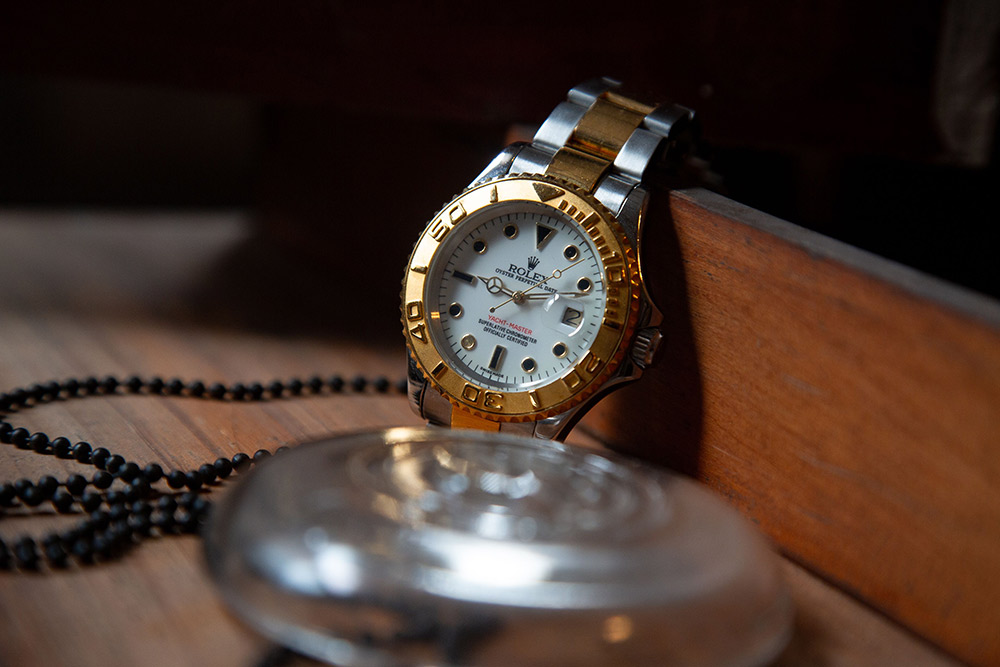
Photo: pexels.com
What Makes a Watch "Collectible"
Collectible doesn't always mean expensive. A watch earns that distinction through a combination of factors: design significance, technical innovation, historical relevance, and rarity. A limited-edition piece from a small independent maker can be every bit as compelling as a widely recognized reference from a major house.
A few terms worth knowing early on:
- Movement – the internal mechanism that powers the watch
- Complication – any function beyond basic timekeeping (such as a date display or chronograph)
- Provenance – the documented history and origin of a specific piece
Horology experts and museum curators alike tend to agree: condition, provenance, and design integrity carry far more weight than brand prestige alone. A collection that endures is one that reflects your own genuine preferences—not someone else's hierarchy.
Understanding Watch Movements
The movement type you choose will shape your ownership experience for years to come. Mechanical movements - both manual-wind and automatic - appeal to enthusiasts for their craftsmanship and visible engineering, though they require periodic servicing, typically every four to eight years depending on the caliber. Quartz movements offer superior accuracy and lower maintenance costs, making them a practical choice for everyday wear. If you rely on a modern smart timepiece for daily use, upgrading to premium apple watch bands for men is an easy way to give your daily device a refined, luxury-inspired aesthetic. Hybrid and solar-powered movements occupy a middle ground, blending modern convenience with some traditional watchmaking elements. Beyond the basic category, seasoned collectors pay close attention to finishing quality, whether a movement is developed in-house (designed and manufactured entirely by the brand) or sourced from a third-party supplier, and how consistently it performs over time.
Key takeaway: Choose a movement type you genuinely understand and are prepared to maintain for the long haul.
Setting a Realistic Budget and Strategy
Before you buy anything, take time to define your goals. Are you collecting for personal enjoyment, design appreciation, or a sense of long-term heritage? Do you gravitate toward dress watches, sports models, or vintage pieces?
Total cost of ownership matters far more than the sticker price. A realistic budget should account for:
- Purchase price
- Servicing and routine maintenance
- Strap or bracelet replacements
- Insurance or secure storage for higher-value pieces
Avoid overextending financially. Watches are discretionary purchases, and nothing in this article constitutes financial or investment advice.
Evaluating Condition and Authenticity
Condition affects wearability, reliability, and long-term desirability in equal measure. Examine case wear, dial originality, crystal condition, and bracelet integrity carefully. Terms like "unpolished", "full set" (watch, box, and papers), and service history carry genuine weight in the collector community - and for good reason.
Always verify authenticity before committing to a purchase. Cross-reference serial and reference numbers against official documentation, compare dial details to verified reference images, and buy exclusively from reputable sellers with transparent return policies.
Pre-purchase checklist:
- Verify serial and reference numbers
- Confirm the dial is original, not refinished
- Request movement photos where appropriate
- Review service history documentation
- Check for consistent logo and font details
- Consider independent authentication for higher-value pieces
Researching Models and Learning From the Community
Brand archives, respected horology publications, and museum databases make the strongest primary research tools. Cross-check every significant detail across multiple sources rather than relying on a single review or forum opinion. Attending watch exhibitions and reading long-term ownership accounts can surface practical insights - servicing experiences, strap compatibility, real-world reliability - that no specification sheet will ever tell you.
Building a Coherent Collection Over Time
A focused collection is invariably more satisfying than a drawer full of impulse buys. Consider organizing around a theme: a particular era, a functional category like pilot or dive watches, or a shared aesthetic sensibility. Themes naturally shift and evolve as your knowledge deepens, and that evolution is very much part of the process. Don't hesitate to sell or trade pieces that no longer fit—liquidity in this market varies widely and depends on far more than brand recognition alone.
Bringing Your Watch Collection to Life
A thoughtful collection grows gradually, almost organically. Start by documenting your preferences and researching a handful of models in depth before committing to any purchase. No single brand or reference is required to make you a "real" collector - what matters is informed, intentional ownership, pursued at your own pace.
Key takeaway: A thoughtful watch collection grows from curiosity, patience, and respect for the craft - not from chasing every trend.
Hits: 2756 | Leave a comment
Tags:luxury watch, collection
About the Author

Stella Cooter
Journalist, traveller and mother, Stella writes about fashion and style, luxury and adventure.