
Why Hand Care and Professional Grooming Are the New Essentials for the Modern Tailor
The image of the tailor has evolved. Once defined primarily by measuring tapes and chalk-dusted worktables, today’s tailor occupies a space where craftsmanship meets personal presentation. In an era where bespoke fashion is experiencing a resurgence and clients value the experience as much as the garment, hand care and professional grooming have quietly become essential tools of the trade. Hands are functional instruments for the modern tailor. They are visible symbols of precision, also. In close consultations, clients notice them often subconsciously. Well-groomed hands now communicate the same message as a perfectly pressed suit: attention to detail matters here.
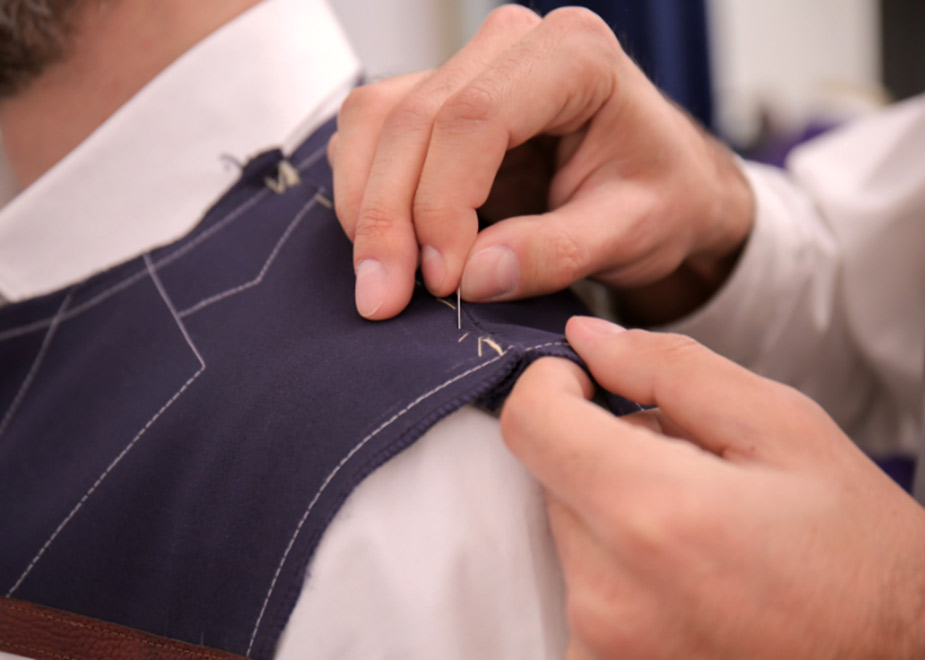
Photo by PixelShot from Canva
Craftsmanship Is in the Details
Tailoring has always been about details. A fraction of an inch can change the drape of a jacket. A subtle adjustment can transform how a garment moves. That same philosophy increasingly extends to the tailors themselves. When a client places trust in a tailor, they’re engaging with a craftsperson. Clean, well-maintained hands reinforce that trust. They suggest discipline and respect for the materials. In high-touch professions like tailoring, grooming is a professional alignment.
Hands Are the Tailor’s Primary Interface
Tailoring is intensely tactile, unlike many creative fields. Hands are constantly in motion: pinning, stitching, pressing, smoothing fabric, and guiding clients through fittings. During these interactions, hands are often at eye level, especially when adjusting lapels. Rough nails can be distracting, even if clients don’t consciously articulate it. The opposite is true for neat nails and healthy skin. They create a sense of confidence. They subtly reassure clients that the same care applied to personal grooming is being applied to their garments.
Professional Grooming Reflects Professional Standards
Modern tailoring exists within a broader fashion ecosystem. Clients who seek made-to-measure services are often accustomed to high standards in other luxury or semi-luxury settings. They notice environments, presentation, and small cues that signal quality.
Hand care fits naturally into this context. It aligns with:
- Clean, well-organised studios
- Pressed workwear
- Polished consultation spaces
- Thoughtful client service
Together, these elements create a cohesive professional image. Grooming amplifies your excellence.
The Physical Demands of Tailoring Make Hand Care Practical
Hand care is also a matter of occupational health beyond appearances. Tailors work with tools that create friction and processes that involve frequent hand washing or exposure to steam and heat. Hands can become cracked without regular care, which can interfere with precision work. Maintaining nail length helps prevent accidental pulls. In this sense, grooming is preventative maintenance. It supports longevity in a craft that often demands decades of fine motor skills.
Grooming as Part of the Client Experience
Today’s clients often seek a connection with the people who make their clothes. They ask questions and value the story behind the garment. The tailor’s presence becomes part of that narrative.
Well-groomed hands contribute to a more refined, reassuring experience. The interaction feels intentional and respectful when a tailor pins a hem with steady, cared-for hands. It mirrors the care clients expect their garments to receive. This is especially relevant in bespoke environments, where trust is as important as technical accuracy.
A Subtle Shift in Gender and Style Norms
Another factor driving the emphasis on grooming is the changing demographic of tailors. Tailoring is no longer perceived as an exclusively male profession. More women and non-binary professionals are redefining what a tailor looks like. At the same time, male grooming norms have expanded. Clean nails, moisturised skin, and overall hand care are now widely accepted as professional standards rather than cosmetic extras. This cultural shift has normalised grooming across the industry, making it a shared language of professionalism.
ractical Grooming Doesn’t Mean Flashy Grooming
It’s important to note that professional hand care for tailors is about cleanliness. Neutral nails suit nearly every professional setting. The goal is subtlety. Hands should look well cared for, not attention-grabbing. Simple routines as regular trimming, light buffing, hydration, and protection, are usually sufficient. Some professionals choose to source reliable grooming and nail-care tools from retailers like Fox Nails USA. Integrating them into their broader self-maintenance routines. You’ll often see this approach when tailors opt to shop F.O.X Nails USA alongside other professional-grade tools.
Visibility in the Digital Age
Social media has added another dimension to tailoring. Close-up photos of stitching and finished garments are now part of how many tailors market their work. Hands appear in these images far more often than faces. In high-resolution photography, details are magnified. Groomed hands photograph better. Visual consistency matters for tailors building online presence or personal brands.
Redefining What “Professional” Looks Like
Ultimately, the rise of hand care in tailoring reflects a broader redefinition of professionalism. Skill remains the foundation, but presentation now reinforces it. Modern tailoring blends tradition with contemporary expectations. Clients want heritage techniques delivered with modern sensibility. Grooming fits neatly into that balance: respectful of craft, aligned with today’s standards.
The tools of tailoring will always include needles, thread, and fabric. In today’s fashion landscape, however, they also include the hands that guide every stitch. As the profession becomes more design-driven, professional grooming is important. The look of your hands and fingernails are quiet indicator of excellence. Well-groomed hands highlight your craftsmanship for the modern tailor.
Hits: 74 | Leave a comment
About the Author

Stella Cooter
Journalist, traveller and mother, Stella writes about fashion and style, luxury and adventure.